


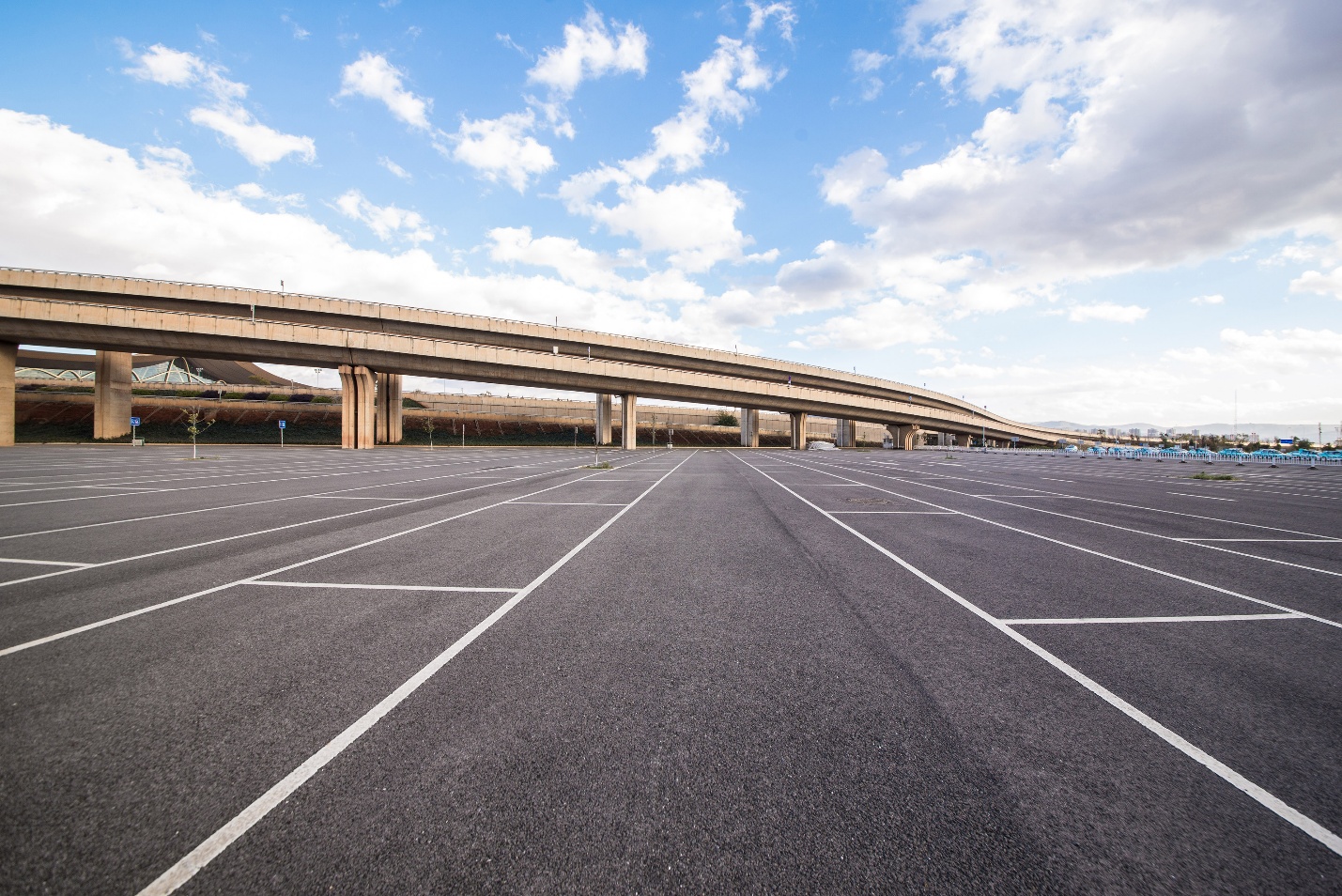
Asphalt paving consists of more than pouring blacktop; it is an entire engineered process involving materials science, engineering, and the environment. It is great to watch students and learners see road construction daily without realizing the science involved. There are many layers of knowledge to unpeel, everything from the actual composition of asphalt, to the effect of temperature and compaction, to the overall strength of the paved surface.
Follow this link https://www.sciencedirect.com/topics/engineering/asphalt-pavements for more details
What Is Asphalt Made Of?
Asphalt is a combination of aggregate and a binder. Aggregates come in the form of sand, gravel, crushed stone, and sometimes recycled materials. The binder is usually a petroleum-based product, and typically that binder is bitumen, which is what holds everything together. By adjusting the ratios of those components, engineers are able to formulate and create asphalt mixes for highways, residential driveways, and commercial parking lots.
Not every asphalt mix is the same. Some mixes have additives like polymers so that a piece of pavement can withstand heavy traffic while some mixes are specifically targeted at water damage. The application of the asphalt and the expected weight of the load dictate the asphalt mix type.
Modern laboratories test every asphalt mix that goes into the ground to verify that it adheres to safety and performance specifications.
The Pavement Process

Just as with any construction process, proper excavation services and grading are required to develop an appropriate sub-grade. The paving process begins with hot asphalt (hot mix asphalt, or HMA-see here for more) being delivered to site. After preparing the subgrade, the HMA is then paved out uniformly with a paving machine. Roller machines then compact the asphalt material until all the air gaps are removed, creating a dense uniform smoothness—the finished paved surface.
Asphalt paving involves a few major tasks:
- Excavating and grading the area to provide drainage
- Laying a solid base of gravel or crushed stone
- Using paving equipment to lay hot asphalt
- Using heavy rollers to compact the asphalt into a dense surface
It is a process that needs to be executed by careful timing. If the asphalt is allowed to cool too fast, it will become difficult to compact, and the life of the surface will be diminished.
That is why teamwork is critical for a successful job—timing between truck drivers, machine operators, and labor workers.
Temperature & Compaction
Temperature is very important when paving asphalt. Hot mix asphalt needs to be applied at temperatures of 275°F to 300°F (135°C to 149°C). If the asphalt cools too quickly, it will not compact, and the pavement will have voids that can weaken the pavement.
Compaction is also important. Heavy rollers compact the asphalt, creating a smooth and firm surface with reduced air gaps. Achieving the correct balance between temperature and compaction is what determines if your pavement will last for decades or crack and fail within years.
Contractors now have infrared thermometers and sensors to ensure the asphalt is at the correct temperature throughout the paving process. Even minor changes in weather such as extreme winds or rain can affect the paving process as well as reduce the life of the pavement.
Benefits of Flexible Pavement
Asphalt is classified as a flexible pavement, as compared to rigid concrete, which adds flexibility for temperature changes and heavier loads so it is not prone to cracking as rigidly. Flexible pavements are particularly useful in highways, city streets, or residential areas where temperature changes and the location may foster different traffic patterns.
Some benefits of asphalt paving include:
- Smooth to drive on, limiting tire wear
- Able to be constructed in a shorter amount of time than concrete
- Easier to repair and resurface if necessary
- Cost-efficient for very small residential driveways or large commercial jobs
Because asphalt can be installed and compacted so quickly, it allows roads to reopen to traffic much sooner than a road constructed in concrete.
Environmental Impacts of Asphalt
Sustainability is one of the most critical components of modern asphalt paving. Asphalt is one of the most recycled materials on the planet. Old pavement can be ground, reheated, and reused for projects, thus minimizing wasteland. It is estimated that recycled asphalt pavement (RAP) reduces the use of millions of tons of raw material annually.
The production of asphalt takes energy and petroleum products, but as with most processes, technology has improved, making it much cleaner. Warm mix asphalt, for example, will be produced at lower temperatures to limit emissions.
When learning about All Valley Paving Vacaville as one example of an asphalt paving company, students will learn about local companies who are adopting sustainable practices for pavement in both road paving and commercial paving.
Quality-control crews regularly take a core sample to check for density and thickness of the lifts they rolled. Mix designers will use a job mix formula to get to about 4% air voids, just enough to prevent rutting but not brittle. Once on site, crews will spray a tack coat between lifts to allow layers to bond so the pavement will act as a single mat.
If the drainage is poor, and water gets trapped, it will weaken the base, and if small cracks develop, they can lead to bigger potholes, thus making proper grading and edges important as part of the process. If the area has poor drainage or is urbanized, porous asphalt allows stormwater to pass through into a stone bed, managing stormwater runoff, and recharging groundwater.
Modern paving projects are also aided by GPS-guided equipment to ensure even thickness and alignment during install.
Conclusion
Given the collaboration between science and technology, modern asphalt paving contributes to the intelligent advances and long-term sustainability of our infrastructure. Asphalt paving is not just about paving roads, it is about the application of science and engineering, and consideration for the environment. By learning about the materials, the process, and the impacts, students can appreciate how an everyday surface is critical to our modern infrastructure.
