


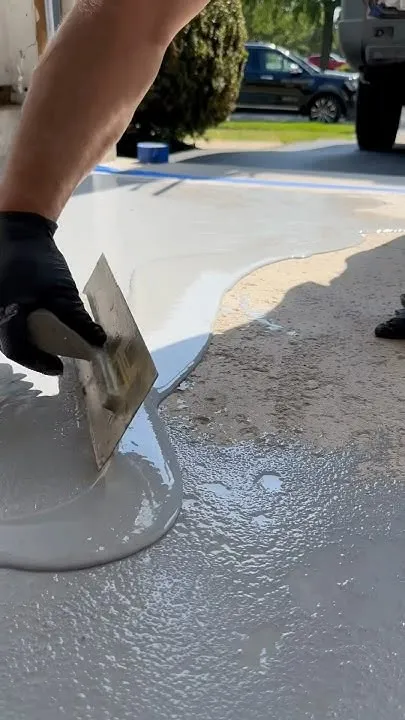
A floor coating estimate can appear straightforward until the installer discovers damp concrete or cracks that need special attention. Both conditions affect preparation, materials, scheduling, and ultimately the price offered to the customer. Contractors using a moisture vapor barrier calculator can plan quantities after appropriate testing confirms that a compatible barrier is needed. But calculations cannot establish the cause of water intrusion or determine whether a slab is structurally sound. An accurate quote begins with observation, measurements, and technical specifications rather than assumptions based on square footage alone.
Investigate Moisture Before Ordering
Concrete may appear dry while containing moisture that affects coating adhesion. Depending on the project, appropriate relative humidity or moisture-vapor-emission testing can help establish whether the slab meets the selected product’s limits. A visual inspection cannot replace those measurements.
Active leaks, standing water, and hydrostatic pressure are different from ordinary moisture vapor movement. A topical barrier should not be offered as a universal fix. Where moisture is entering through defects or drainage problems, the source needs professional investigation before coating work proceeds.
Measure Cracks With More Than Photographs
A floor may contain hairline cracks, wider damaged sections, and intentionally formed joints. Each requires separate consideration because movement and structural conditions affect repair choices. Photographing the defects is useful, but measurements are necessary for ordering materials.
A concrete crack repair calculator uses length, width, and depth to estimate filler volume and purchasing units. The output is only as dependable as the measurements. Branching cracks, irregular voids, and substrate absorption can increase actual consumption.
Distinguish Repairs From Joint Maintenance
Rigid filler may suit some stable defects, while moving joints can require different materials and detailing. Filling an active crack as though it were permanently stable can lead to renewed separation or damage in the coating above.
Contractors should assess the function of joints and the cause of significant cracking before selecting a product. A quantity calculation cannot decide whether engineering advice is needed. That decision belongs in the site assessment and should be communicated clearly to the customer.
Turn Product Data Into Material Quantities
A moisture barrier calculator can estimate coating volume, complete kits, and the component split from floor area, coverage rate, number of coats, and mix ratio. Default figures should be replaced with the chosen manufacturer’s actual requirements.
The same principle applies to crack repair. Cartridges and bulk units come in particular sizes, so the order should account for practical packaging and a reasonable allowance for uneven defects. More product is not always safer when shelf life and unused material create additional costs.
Build a Defensible Estimate
Before preparing a fixed quotation, check the details most likely to change the scope:
-
Moisture test results and product-specific limits.
-
Crack dimensions, movement, and joint locations.
-
Existing coatings, oils, and adhesive contamination.
-
Required grinding, cleaning, and repair products.
-
Material kit sizes and realistic waste allowances.
-
Access restrictions, curing times, and contingency work.
These questions help distinguish a documented estimate from a guess. If hidden defects remain possible, explain how additional work will be assessed and approved rather than quietly adding an unexplained charge.
Keep Technical Decisions Separate
Material estimating tools help with arithmetic, not product suitability. For example, the amount of moisture barrier required does not establish that the barrier can tolerate the measured moisture conditions. Both the barrier and the finishing system need compatible specifications.
Likewise, filler volume says nothing about a crack’s structural importance. Contractors should read the relevant technical data sheets and arrange qualified assessments where needed. Clear limits on what a calculator can tell you make the resulting quote more reliable.
Protect the Installation Schedule
Substrate repairs and moisture-related preparation can add curing and inspection stages. A customer may expect one installation day, but an unsuitable slab can require a different sequence before decorative coats begin.
Document the planned stages and communicate any restrictions on traffic, ventilation or subsequent coating work. When estimates and site conditions agree, crews are less likely to arrive with the wrong materials or face pressure to work over unresolved problems.
Conclusion
Good coating estimates begin with the condition of the slab, not a standard price per square foot. Moisture testing, crack assessment, compatible material selection, and practical quantity calculations all support responsible planning. Contractors should treat online outputs as estimating aids while relying on site evidence and manufacturer requirements for technical decisions. For flooring professionals organizing these calculations, tradeepoxy.com provides tools covering moisture barriers, crack repairs and related preparation needs. Accurate assumptions make purchasing easier and help customers understand why some floors require more work than others.