


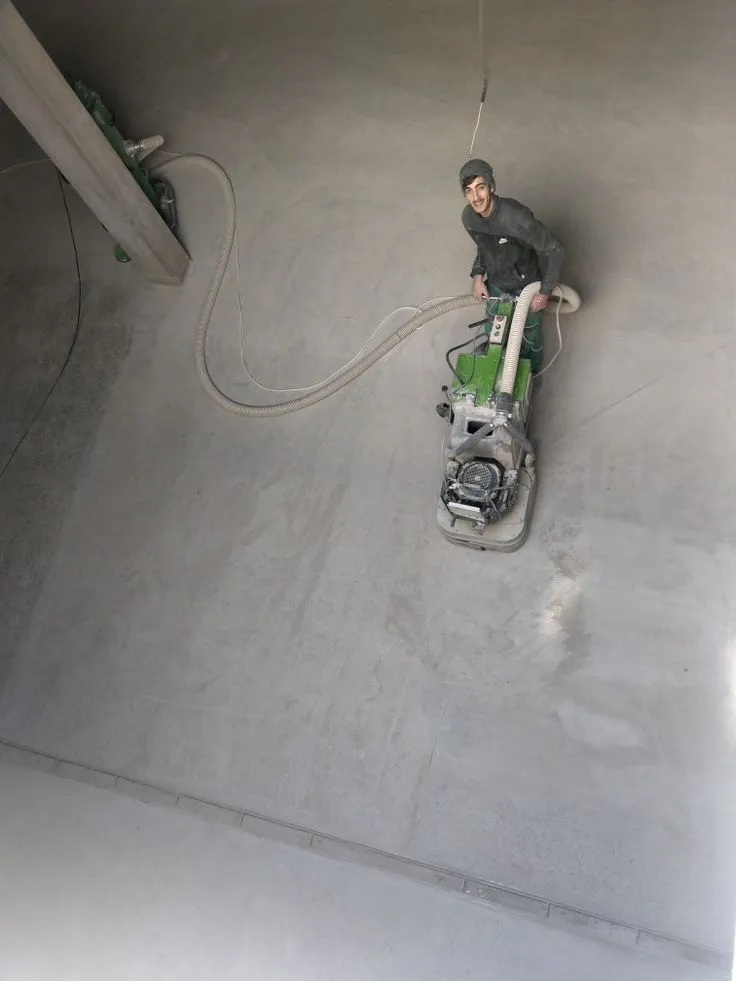
An epoxy flooring quote can look profitable until equipment wear, preparation time, and overhead costs are considered. Contractors may underestimate the resources needed for difficult concrete. A realistic estimate should account for tooling, production rates, crew costs, and the price needed to support the business. A concrete grinding cost calculator can establish one part of that picture by converting equipment-related expenses into a cost per unit of area. Understand its limits before preparing a quotation.
Inspect the Job Before Entering Numbers
Concrete surfaces vary in hardness, contamination, condition, and existing coatings. A clean interior slab may grind much faster than a heavily painted industrial floor. Estimating without a site inspection can produce unrealistic production assumptions even when the calculator performs every mathematical step correctly.
Record the area, required preparation profile, number of passes, and accessibility of the work zone. Tight corners and obstacles may require additional handwork. Floor area alone rarely captures the full scope.
Understand the Direct Grinding Cost
Grinding creates expenses beyond the initial purchase of the machine. Diamond tools wear with use, fuel or electricity must be paid for, and equipment gradually depreciates. Filters, vacuum bags, and routine servicing also contribute to the cost of operating a preparation setup.
A grinding-cost tool can combine production rate, tooling lifespan, power source, depreciation, servicing, and dust extraction consumables into an area-based figure. That output represents estimated direct grinding costs. It is not automatically the final rate to charge a customer, because other business expenses remain outside the calculation.
Measure Productivity Realistically
Production rate has an outsized influence on cost. A slower grinder or more demanding slab increases equipment hours for the same floor area. Multiple passes add work even when the measured surface remains unchanged. Using a best-case production figure can therefore understate a project’s cost.
Review previous jobs involving similar concrete and tooling. Record actual grinding hours rather than relying exclusively on estimates. When equipment changes, update the assumptions. Site records gradually create a more dependable reference than generic hourly rates borrowed from unrelated projects.
Build a Complete Quoting Checklist
Once direct preparation costs are known, the estimate still needs labor, transport, surface repairs, coating materials, and a share of fixed business expenses. Even small jobs involve mobilization and administration.
Before preparing a quote, confirm:
-
Measured area and number of grinding passes.
-
Realistic machine productivity and tooling life.
-
Labor, travel, setup, and disposal expenses.
-
Resin quantities, repair supplies, and consumables.
-
Business overhead and intended profit margin.
Separate categories make quotes easier to review. It also shows whether a price difference comes from product selection, surface conditions, or the amount of preparation required.
Check Margin Instead of Guessing Markup
A profit margin calculator can help contractors distinguish between adding a markup to cost and achieving a target margin on the selling price. The percentages are not interchangeable. A quote based on the wrong calculation may generate less gross profit than expected.
Enter the full job cost, including an appropriate overhead allocation, before evaluating the selling price. The resulting gross margin does not equal final take-home profit. Taxes, financing, and other company-level obligations may still affect the business’s net results.
Account for Unexpected Conditions
Hidden coatings, weak concrete, and additional crack repairs can alter a preparation schedule. A realistic estimate should identify assumptions and explain how unforeseen work will be handled. Otherwise, a contractor may absorb significant extra expenses simply to preserve the original quotation.
Clear exclusions and a documented variation process help both parties understand the scope. Allowances should be based on the project’s uncertainty rather than included as arbitrary padding. If a site condition changes, revise the estimate using updated quantities instead of relying on the original figures.
Learn From Finished Projects
Estimating improves when crews compare forecasts with actual results. Record machine hours, diamond usage, labor time, repair quantities, and materials consumed. Note why a project varied from the plan, especially when weather, access, or unexpected contamination affected progress.
These records support more reliable future quotes and help identify recurring underpricing. Contractors can adjust their own default assumptions rather than treating a calculator’s example values as universal. A consistent review process turns completed jobs into useful operating data.
Conclusion
Profitable flooring estimates begin with realistic information about the concrete, equipment, crew, and business. Direct grinding costs provide a valuable starting point, but labor, overhead, materials, and margin must also be considered. Calculators are planning aids, not substitutes for product instructions or professional judgment. Contractors can explore job costing and pricing tools through tradeepoxy.com to build clearer estimates and make more informed quoting decisions.