


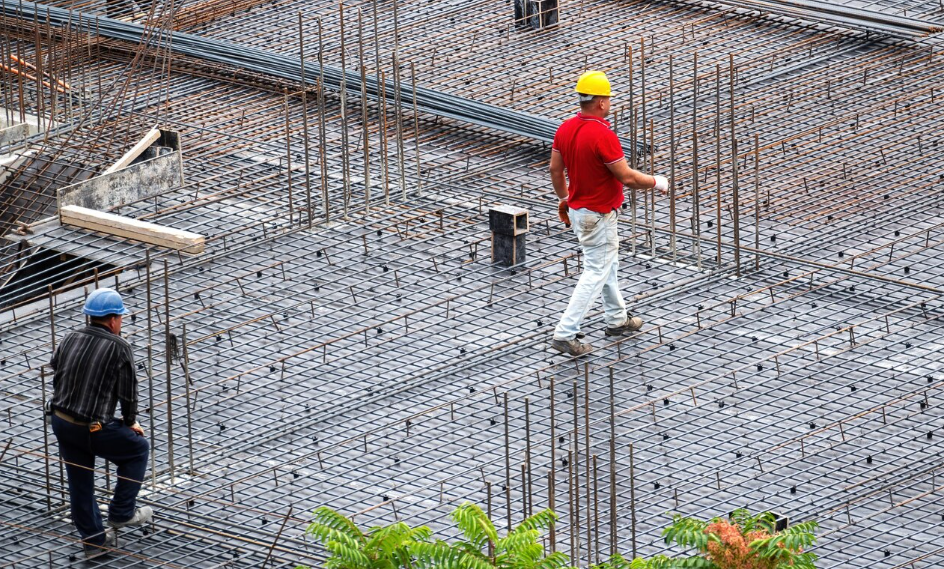
Choosing the right foundation type is one of the most critical decisions in any residential construction project. In Dubai and across the UAE, foundation selection goes beyond architectural preference. It is determined by soil composition, groundwater levels, structural load requirements, and local building regulations. The region’s sandy, loose soil conditions and high groundwater tables in certain areas create unique engineering challenges that require careful geotechnical analysis before any foundation design is finalized. A poorly designed or improperly constructed foundation leads to settlement, cracking, and structural failure that is extremely costly to remediate. Understanding your options helps you ask the right questions and make decisions that protect your home for decades.
Why Foundation Choice Matters in the UAE
The UAE’s soil conditions vary significantly across different emirates and zones. Dubai’s inland areas often have loose sand and gravel layers, while coastal zones present high groundwater tables and salt-laden soil that aggressively attacks concrete and steel reinforcement over time.
A geotechnical investigation, commonly called a soil test, is mandatory for residential projects in most UAE municipalities. This report identifies the bearing capacity of the soil, groundwater depth, and chemical composition. Your structural engineer uses this data to design a foundation that distributes the building’s load safely into the ground without excessive settlement or movement.
Shallow Foundations
Shallow foundations are used when load-bearing soil is found at a relatively low depth below the surface. They are the most common foundation type in low to mid-rise residential construction across Dubai and the wider UAE.
Strip footings run beneath load-bearing walls and distribute the structural weight along their length. Pad footings support individual columns at concentrated load points. Raft foundations, also called mat foundations, spread the load across the entire footprint of the building and are particularly useful in areas with weaker or variable soil conditions.
Raft foundations are widely used in UAE villa construction because they reduce differential settlement and provide a stable, uniform base across the full building area.
Pile Foundations
Pile foundations are used when surface soil cannot support the building load adequately. Piles are driven or bored deep into the ground until they reach a stable load-bearing stratum. In Dubai, bored cast-in-place piles are the most common type used in residential and commercial construction where shallow foundations are not suitable.
Pile design depends on the depth of competent soil, the structural loads involved, and the groundwater conditions on site. Piles in coastal or high-groundwater zones must use sulfate-resistant concrete and corrosion-protected reinforcement.
The cost of pile foundations is higher than shallow options, but they are non-negotiable when soil conditions demand them. Skipping proper foundation engineering to reduce costs creates structural problems that no amount of finishing work can hide.
Foundation Waterproofing Requirements
Regardless of foundation type, waterproofing is a mandatory component of quality construction in the UAE. Groundwater in many parts of Dubai contains high concentrations of sulfates and chlorides that break down concrete and corrode steel reinforcement over time if left unprotected.
Foundation waterproofing typically involves applying a membrane system to the outer face of the foundation walls and beneath the slab before backfilling. Crystalline waterproofing admixtures added directly to the concrete mix provide an additional layer of internal protection.
Proper Roof Waterproofing and foundation waterproofing together form a complete envelope that protects your structure from moisture entry at every vulnerable point, from the base of the building to the top.
Drainage and Subgrade Protection
Foundation performance depends not only on the structure itself but also on the drainage conditions surrounding it. Water that accumulates around a foundation increases hydrostatic pressure against the walls and slab, eventually forcing its way through even well-constructed concrete if drainage is inadequate.
A properly designed subgrade drainage system includes gravel backfill, perforated drainage pipes, and surface grading that directs water away from the building. In Dubai, where sudden heavy rainfall can overwhelm drainage systems quickly, these precautions are particularly important. Poorly drained foundations are a common cause of basement moisture problems and ground-floor dampness in UAE residential properties.
Selecting the Right Foundation Contractor
Foundation work requires specialist knowledge, proper equipment, and strict quality control. Cutting corners at this stage affects every system built above it. When selecting a contractor for foundation work in Dubai or the UAE, verify their licensing, request references from completed residential projects, and confirm they use certified materials.
For complete structural protection including foundation and above-grade waterproofing, partnering with Waterproofing Companies In Dubai that have established experience in UAE residential construction ensures your foundation system performs as designed throughout the life of your home.
Build From the Ground Up, the Right Way
A strong foundation is the starting point of every successful construction project. In Dubai and across the UAE, getting foundation design and waterproofing right from the beginning prevents a wide range of structural and moisture-related problems that become progressively more expensive to fix over time. Invest in proper geotechnical investigation, work with licensed structural engineers, and never compromise on foundation waterproofing. The integrity of everything above depends entirely on what you build below.