


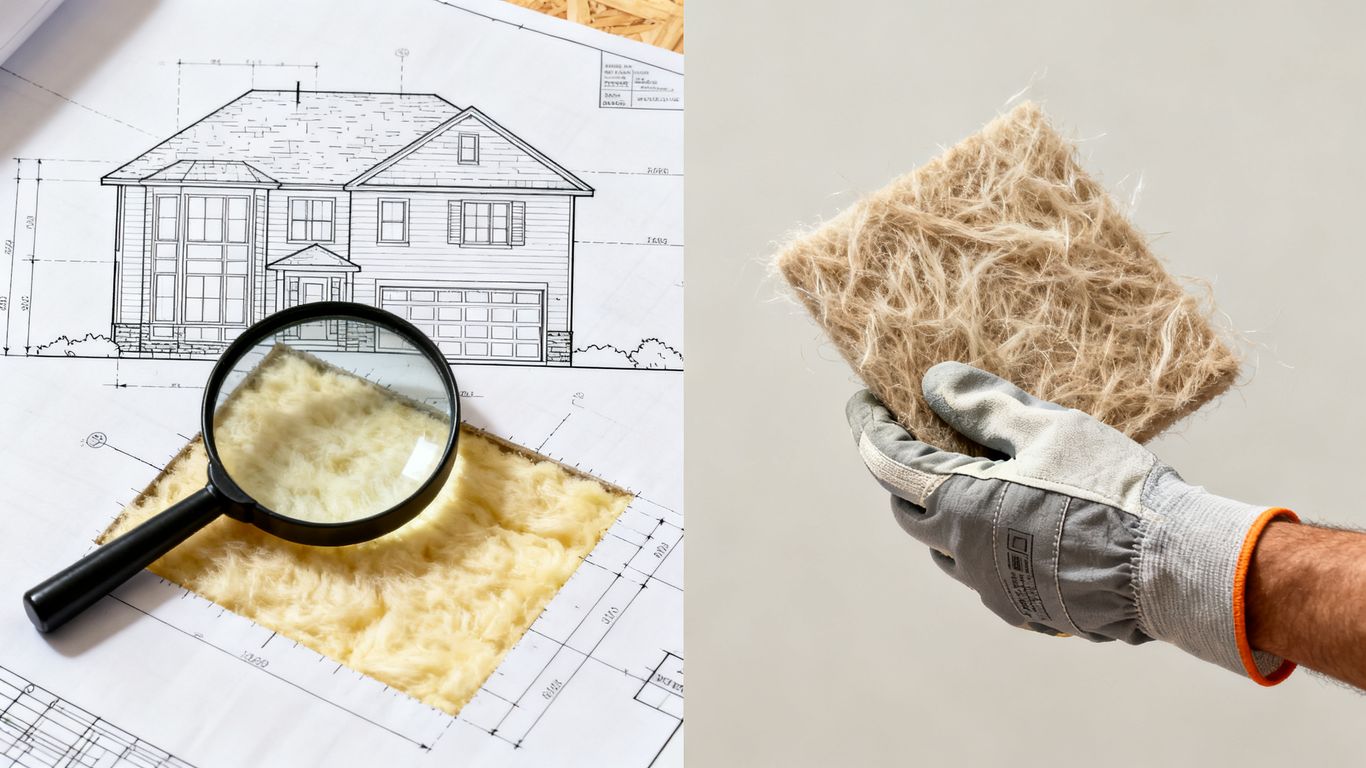
When considering the purchase or renovation of an older property, it is important to be aware of potential asbestos hazards. Homes built before the 1980s frequently incorporated asbestos into various building materials due to its desirable properties like durability and fire resistance. However, what was once considered a beneficial material is now known to pose significant health risks.
Recognizing Properties Built Before the 1980s
Properties constructed during the mid-20th century, particularly those completed before the widespread regulatory changes in the 1980s, have a higher likelihood of containing asbestos-containing materials (ACMs). This period saw extensive use of asbestos across a wide range of applications in residential construction. Identifying these structures is the first step in assessing potential risks.
Common Household Materials Containing Asbestos
Asbestos was integrated into numerous common building products. Some of the most frequent culprits include:
-
Insulation, especially around pipes, boilers, and in attics.
-
Vinyl floor tiles and the adhesive used to secure them.
-
Textured paints and coatings, often referred to as “popcorn ceilings.”
-
Cement asbestos board used for siding and undersheeting.
-
Roofing and siding shingles.
The Invisible Danger of Asbestos Fibers
The primary danger associated with asbestos lies in its microscopic fibers. When materials containing asbestos are disturbed, these fibers can become airborne and are easily inhaled. Once inside the body, these fibers can cause serious long-term health issues, including mesothelioma and lung cancer. Because the fibers are so small and often invisible to the naked eye, their presence can go undetected without proper inspection and testing. The wrapping around hot water pipes is a common hiding place for asbestos, often appearing as a white or gray, bandage-like material in basements, highlighting the need for caution when dealing with renovations or maintenance in older properties.
It is important to remember that homes constructed before the 1980s may contain asbestos in materials like cement, floor tiles, insulation, walls, and pipes, potentially exposing residents.
How to Identify Asbestos in Homes
Identifying asbestos in your home can be tricky because it’s often mixed into building materials and doesn’t have a distinct look or smell. This means you can’t always tell if it’s there just by looking around. However, knowing where to look and what to watch out for is the first step.
If your home was built before the mid-1980s, there’s a higher chance it contains asbestos. During that time, asbestos was a common additive in many building products because of its strength and heat resistance. This means older homes, especially those constructed before regulations changed, are prime candidates for containing asbestos materials. Being aware of this historical context is key to assessing potential risks.
Asbestos was incorporated into a wide variety of products. Some common places you might find it include:
-
Insulation: Around pipes, boilers, and in attics or walls.
-
Flooring: Vinyl floor tiles and the adhesive used to lay them, as well as linoleum backing.
-
Ceilings: Textured paints (like
When Asbestos Testing Becomes Essential
Remodeling Projects Requiring Precaution
Before you start swinging a hammer or tearing down walls, it’s important to consider if asbestos might be lurking in your home. Certain types of renovations are more likely to disturb materials that could contain asbestos. For example, any work involving insulation, roofing, or ceilings should prompt you to think about asbestos testing first. This proactive step can prevent serious health risks and costly project delays.
Projects where asbestos testing is particularly recommended include:
-
Removing or updating insulation
-
Repairing or replacing roofing materials
-
Tearing out or refinishing old ceilings
-
Remodeling kitchens or bathrooms with older tiles
Knowing whether asbestos is present before you begin allows for proper planning and the engagement of trained professionals if needed. This avoids unexpected surprises and helps keep your renovation timeline on track while ensuring a safe environment.
Purchasing a Property with Potential Hazards
If you are looking at an older home, adding an asbestos inspection to your checklist is a smart move. This step helps make sure you won’t face unexpected asbestos issues down the line. An inspection will tell you if asbestos-containing materials are present, so you can arrange for safe handling if necessary. It’s a key part of understanding the true condition of a property before you commit. You can find more information on asbestos inspection to help guide your decision.
Here’s a practical approach when buying an older home:
-
Conduct a visual assessment: Before making an offer, walk through the property and note areas where asbestos might be found, such as in old insulation or textured ceilings.
-
Schedule a professional inspection: Hire certified inspectors who have the knowledge and tools to spot asbestos in materials you might miss.
-
Review the inspection report: Carefully examine the findings to understand any risks associated with asbestos in the property.
-
Plan for remediation: If asbestos is found, prepare for the necessary steps to address it before moving in or starting any renovations.
The Role of Periodic Inspections
Safety isn’t a one-time task; it’s an ongoing habit that protects your home and everyone living in it. Whether you’re planning a major renovation or just settling into your space, regular checks can help keep asbestos risks under control long-term. Being aware and cautious is key. For instance, if you notice any damage to materials that might contain asbestos, it’s best to leave it alone and call in experts. You can learn more about safe handling to minimize potential exposure.
The Professional Asbestos Testing Process
When you suspect asbestos might be present in your home, especially in older properties, bringing in trained professionals is the most reliable way to get accurate answers. This isn’t a DIY situation; it requires specialized knowledge and equipment to do it safely and correctly. A professional asbestos testing process is designed to be thorough, minimizing risk while maximizing the chance of identifying any hazardous materials.
Visual Inspection and Potential Hotspots
The process typically begins with a detailed visual inspection. Certified inspectors will carefully examine your property, looking for materials that are known to contain asbestos. They know where to look for these hidden dangers, often in places that homeowners might overlook. This includes areas like:
-
Insulation, particularly in attics and walls
-
Textured paints and coatings on ceilings and walls
-
Vinyl tiles and the backing on floors
-
Roofing and siding materials
-
Older pipes and heating systems
This initial assessment helps pinpoint potential areas of concern before any samples are taken. It’s a critical first step in understanding where asbestos might be lurking. For more information on what a standard home inspection might miss, you can look into professional asbestos testing.
Safe Sample Collection Procedures
Once potential asbestos-containing materials (ACMs) are identified, the next step is sample collection. This is where safety protocols are paramount. Professionals use specialized tools and techniques to collect small samples of the suspect materials without releasing fibers into the air. They wear protective gear and often use containment methods to prevent cross-contamination. It’s vital that this step is performed by someone trained, as improper sample collection can actually increase exposure risks. The collected samples are then carefully sealed and labeled for laboratory analysis.
Laboratory Analysis and Reporting
The collected samples are sent to an accredited laboratory for analysis. The lab uses specific methods, such as Polarized Light Microscopy (PLM) or Transmission Electron Microscopy (TEM), to determine if asbestos is present and, if so, what type and percentage. Once the analysis is complete, you will receive a detailed report. This report outlines the findings, identifies the specific materials tested, and confirms the presence or absence of asbestos. It will also typically include recommendations for next steps, whether that’s leaving the material undisturbed, encapsulation, or removal by a licensed asbestos abatement contractor. Understanding these results is key to making informed decisions about your home’s safety and any future renovations. If you’re buying a property, getting a qualified inspector for testing is a smart move.
Safe Handling and Avoiding Exposure
When dealing with potential asbestos in a home, especially older ones, caution is paramount. The primary goal is to prevent the release of asbestos fibers into the air, which can happen when materials containing asbestos are disturbed. Minimizing disturbance of suspect materials is the most effective way to avoid exposure.
Dos and Don’ts for Asbestos Materials
It’s important to know what actions can create risk and what steps help maintain safety. If you suspect a material contains asbestos, treat it with extreme care.
Do:
-
Avoid any direct contact with materials that might contain asbestos.
-
Take every possible step to avoid damaging any suspect materials.
-
Consult with your home inspector or real estate agent about any known asbestos risks.
-
Only engage trained professionals for asbestos inspections, testing, or any related work.
Don’t:
-
Do not saw, sand, scrape, drill, or otherwise disturb materials that could contain asbestos.
-
Avoid sweeping or vacuuming debris that may contain asbestos, as this can aerosolize fibers.
-
Never attempt to collect asbestos samples for testing without proper training and equipment.
When to Hire Trained Professionals
For any situation involving potential asbestos, relying on trained professionals is the safest approach. They possess the knowledge and equipment to handle these materials without creating hazards.
-
Remodeling and Renovation: If you plan any work that might disturb walls, ceilings, floors, or insulation in older homes, professionals should assess and manage any asbestos.
-
Repairs: Even minor repairs to materials like insulation around pipes or textured ceilings can release fibers. It is best to have these handled by experts.
-
Discovery of Damaged Materials: If you find damaged insulation, crumbling tiles, or deteriorating siding, contact a professional immediately. Improper handling of these materials can lead to significant exposure. For safe removal and disposal, hiring licensed asbestos abatement professionals is the recommended course of action [0182].
Minimizing Disturbance of Suspect Materials
Preventing asbestos fibers from becoming airborne is key. This means being mindful of how materials are treated, even during routine activities.
-
Leave Materials Intact: If asbestos-containing materials are in good condition and not likely to be disturbed, the safest approach is often to leave them in place.
-
Wet Cleaning Methods: If minor cleanup is necessary and you are certain it’s safe to proceed (or under professional guidance), use wet cloths or mops. These materials should then be discarded as asbestos waste while still wet to prevent fiber release [cb27].
-
Avoid DIY Testing: Do not attempt to take samples yourself. This process can easily release fibers into the air. Leave sample collection to certified professionals who know how to do it safely.
Protecting Your Health and Investment
Making sure your home is safe from asbestos is a smart move, whether you’re planning a big renovation or just bought an older place. Knowing about potential asbestos hazards early on can save you a lot of trouble and money later. It’s all about being prepared and making informed choices.
The Long-Term Health Implications of Exposure
Exposure to asbestos fibers, even in small amounts, can lead to serious health issues that might not show up for many years. These microscopic fibers can become airborne and, when inhaled, can settle in the lungs. Over time, this can cause conditions like asbestosis, which is scarring of the lung tissue, and significantly increase the risk of lung cancer and mesothelioma. The latency period for these diseases can be decades long, meaning the damage done today might not manifest as illness until much later in life. This is why taking precautions is so important, even if you don’t see any immediate signs of trouble. Understanding the risks associated with asbestos fibers helps underscore the need for caution.
Proactive Measures for a Safer Home
Taking steps to identify and manage asbestos is key to maintaining a healthy living environment. If you suspect asbestos is present, especially in older homes, it’s best to leave it undisturbed. Disturbing asbestos-containing materials can release fibers into the air, creating a hazard. Here are some ways to be proactive:
-
Avoid disturbing suspect materials: Do not saw, sand, scrape, or drill into anything that might contain asbestos. If insulation around pipes is deteriorating, for example, don’t try to cut it yourself. Instead, hire a professional to safely seal or remove it.
-
Schedule regular inspections: Especially in older properties, periodic checks can help identify any materials that may have become damaged over time.
-
Hire trained professionals: For any work involving potential asbestos, always use certified asbestos abatement professionals. They have the knowledge and equipment to handle these materials safely.
Making Informed Decisions Before Renovation or Purchase
Before you start any major work or finalize the purchase of an older home, getting a professional asbestos inspection is highly recommended. This step provides clarity and peace of mind. For renovations, knowing if asbestos is present allows you to plan accordingly, avoiding unexpected delays and costs. If you’re buying a property, an inspection helps you understand the full scope of potential issues. A professional inspection can identify hidden asbestos and guide you on the best course of action, whether that’s leaving materials undisturbed or arranging for safe removal. This due diligence protects both your health and your financial investment. Remember, asbestos-containing materials generally don’t pose a risk if they remain intact and undisturbed.
